Two girls looking at a microscope.

Learn

School Visits

We are happy to welcome classes into the museum! Check out our available in-person and virtual programs for elementary classes.

The Museum of Natural History has a number of facilitated programs available for visiting classes. Ranging in topics from Nova Scotia’s geology to First Peoples, we offer programs for most elementary grades. Our programs help provide an understanding of nature and science from a Nova Scotian perspective in an interactive setting.

We use our galleries and unique collections to provide objects-based, student-centered learning, which offers an opportunity to learn in a way that is difficult to replicate in the classroom. A variety of artifacts, live animals, and museum quality reproductions complement each lesson, allowing for in depth observations and open-ended discussion.

Each program is tailor-made to address specific curriculum outcomes found in the Atlantic Canada Curriculum and are led by dedicated and professional museum staff and volunteers. In addition to our facilitated programs, we also offer self-guided visits with the possibility of a facilitated presentation in the Our Amazing World Gallery, featuring Science on a Sphere!
For Teachers

Booking Programs

All programs are booked on a first come, first serve basis. You can book your program by emailing the museum at [email protected] (902) 424-6512.

Group Size

School programs can accommodate two classes, at a maximum of 60 students.

Admission Payment

The cost for each program is $3.55 per student (tax included). Payment can be made by cash, cheque, credit card or invoice. Invoicing must be arranged at the beginning of the booking process. Cheques should be made payable to the “Minister of Finance”. Please ensure only one transaction/payment per school, regardless of the number of classes participating in the program. We request that you enter the museum and pay for the program before students unload from the bus. 

*Note that family passes and free admission coupons do not apply for education programs. 

Chaperones

Teachers are admitted free as well as one chaperone for every five students (1:5 ratio). Teaching assistants for special needs students are admitted free of charge and are not included in the total count of chaperones. Extra chaperones beyond this ratio are charged $5.25.

How can chaperones assist?

  • Teachers are asked to advise the chaperones that they must stay with the group of students assigned to them at all times.
  • Chaperones and teachers are responsible for the safety and/or behaviour of students during their visit.
  • There is no food or drink in the museum galleries.
  • Running is not permitted in the museum.
  • Remind students to use “indoor voices”.
  • Be attentive and show interest but remember the activities are designed for the students.
  • The live animals are always a favourite with visitors. It is understandable the students want to get close and observe but it is important that they do not bang on or tap the tanks. 

Lunch

Our multi-purpose room may be available for your students to have lunch, however this is only by prior arrangement. Children should not bring meals that require heating. Please ensure students remove all garbage and personal belongings before departure. In fine weather our backyard may also be available. 

Bathrooms

Male, female and accessible/family washrooms are located on the lower level of the museum.

Gift Shop

The museum gift shop is located near the reception area, to the right as you enter the museum. Students should not enter the gift shop prior to their program. It is at the teacher’s discretion whether students will be allowed entry after their program has ended. If so, the museum enforces a limit of 5 students at a time in the gift shop and they must be accompanied by their designated chaperone. 

Extending Your Visit

We would love for your group to stay and explore our permanent galleries and travelling exhibitions after your program ends. There is no additional charge for this but we do request that you inform us when booking.  

Programs

Programs are generally 60 – 90 minutes long. Although they vary in structure a typical program is composed of the following:

  • 5-10 minute introduction
  • 60 minutes at two or more activities (usually in small groups)
  • 5-10 minute conclusion 

What to Expect

Prior to Your Visit

Confirmation of education program booking will be forwarded by email, along with pre and post visit activities (when available).

Teachers should divide their students into smaller groups as indicated in their confirmation form. This should be done prior to arrival.
Students should eat recess snacks either at the school or on the bus before arrival. Programs cannot be stopped once they have begun. Food is not permitted in the museum galleries.

On Arrival

You will be met on arrival (inside museum) by museum interpretation staff and volunteers who will facilitate your program.

Please have an accurate head count of all teachers, EPAs, chaperones and students. Admissions staff will require this information to process your payment.
Coats, backpacks and lunches should be left in the coatroom or education program room as indicated by museum staff.
Please note that the museum galleries remain open to the public, even during education programs. We cannot close off gallery areas. We do advise other visitors that a program is in progress and request they keep their voices low in those areas.

Self-touring the Museum

Explore the wonders of Nova Scotia at the Museum of Natural History. See stunning Mi'kmaq artifacts, sea creatures, live frogs, and more! Interact with the Netukulimk exhibit and learn the sights and sounds of Nova Scotia's forests or explore space with Science on a Sphere. No visit is complete without stopping by to see Gus the Gopher Tortoise, who has been delighting Museum visitors for more than 70 years.

Suggested length of a self-tour: 1 hour+

Scavenger hunts of the Museum’s permanent exhibits are available. Please enquire when booking your self-tour. Self-tour groups are welcome to take part in any public programming. Visit our Daily Events page for program information.

Group Size

Groups can be any size but must be 10 or more individuals for a group rate to apply.

Group Rates & Student Rates

Admission

 Museum

Youth group
Minimum 10 youth required for group rate. 1 adult chaperone per 5 youth free. 

$3.00

Additional adult chaperones: $8

Adult group (18 years old+)
Minimum 10 adults required for group rate
$8
School self-tour
(Elementary, junior high, high school) 1 adult chaperone per 5 students free.

$3.00

Additional adult chaperones: $8

School tour with staff facilitated program. 1 adult chaperone per 5 students free.

Program admission:
$3.50

Additional adult chaperones: $8

Groups pay in a single transaction to receive the group rate.

To prebook your visit, please contact Liz Spence at [email protected] or call (902) 424-6512.

Payment

Payment can be made by cash, cheque, credit card or invoice. Invoicing must be arranged at the beginning of the booking process. Cheques should be made payable to the “Minister of Finance”. Please ensure only one transaction/payment per school or group. We request that you enter the museum and pay before unloading from the bus. 

Guidelines

  • Teachers are asked to advise the chaperones that they must stay with the group of students assigned to them at all times.
  • Chaperones and teachers are responsible for the safety and/or behaviour of students during their visit.
  • There is no food or drink in the museum galleries.
  • Running is not permitted in the museum.
  • Our live animals are always a favourite! Get up close but please no tapping or banging on the tanks.  
  • Please no flash photography of the live animals.

Lunch

Our multi-purpose room may be available for your group to have lunch, however this is only by prior arrangement. Visitors should not bring meals that require heating. Please ensure all garbage and personal belongings are removed before departure. In fine weather our fenced in backyard is a great option. 

Bathrooms

Male, female and accessible/family washrooms are located on the lower level of the museum.

Gift Shop

The museum gift shop is located near the reception area, to the right as you enter the museum.

For schools, the museum enforces a limit of 5 students at a time in the gift shop and they must be accompanied by their designated chaperone. 

Parking

The Museum of Natural History has a pay and display lot on site which is administered by the QEII Health Science Centre. This is a public lot and is frequently used by Museum visitors and those visiting the area.

Parking is $1.50 per hour and the machine accepts coins and credit cards. Tickets must be clearly displayed on the dashboard area prior to entering the Museum.

In addition to the Museum's parking lot, there are numerous parking meters surrounding the Museum.

On Arrival

Museum staff will greet you at the admissions desk upon your arrival.

Please have an accurate head count of the group (including adults, teachers, EPAs, chaperones and students). This information will be required to process your payment.

Coats, backpacks and lunches should be left in the coatroom or as indicated by museum staff.

Booking

To prebook your organization’s visit, please contact Liz with your organization’s name and visit details, at [email protected] or call 902-424-6512.

School Programs

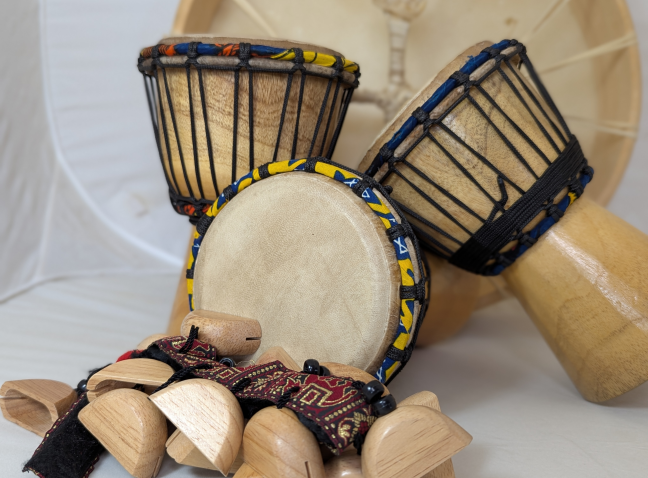
Drums and wooden instruments used for the Exploring Culture school program.

Grades Primary & 1 - Exploring Culture

With links to the newest Nova Scotia curriculum, Exploring Culture has been developed with very young students in mind. This hands-on, kinetic program introduces students to the concept of cultures and the elements that define them. Through interactive exploration of music, dance, and storytelling, students will have an opportunity to have fun while learning about some of the founding cultures of Nova Scotia. Learn a traditional dance, experiment with percussion instruments, act out a folk story, and more! A great way to begin your class’ exploration of culture!

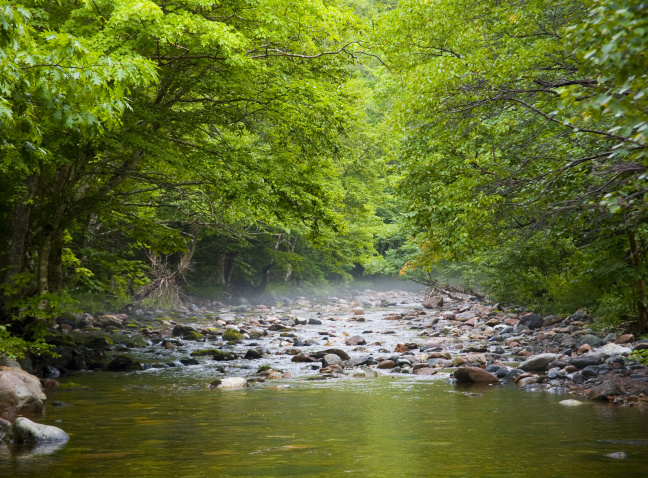
Polletts cove

Grade 2/3 Plant and Animal Growth

This interactive school program was developed specifically for students in grades two and three, based on the latest Atlantic curriculum outcomes. It encourages student participation in activities that show how native plants and animals develop and encourages students to compare and contrast those developments.

Step into the role of a botanist, conduct tests and record your results, engage with museum specimens and exhibits! Using engaging, hands-on activities, students will be introduced to the concept of lifecycles for both plants and animals. Starting with a group discussion, students will move through activities in small groups to discover what resources Nova Scotia plants and animals need to develop throughout their lifecycle stages. 

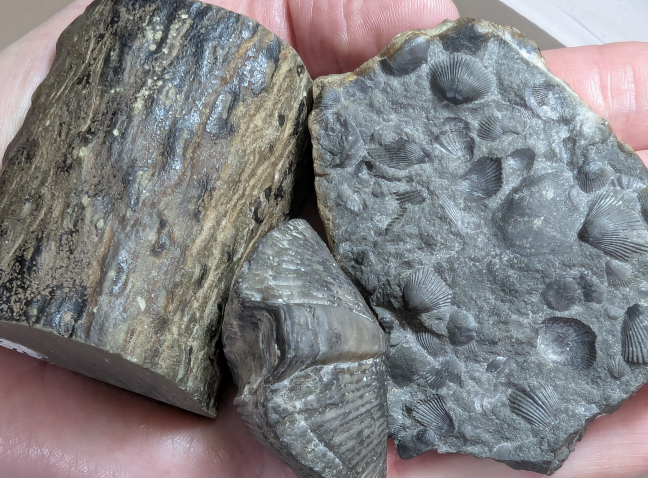
A human hand holding fossils.

Grade 4 - Geology of Nova Scotia

This earth science program has students investigate the physical properties that make minerals unique, as well as the massive scale of change that occurs on Earth. Based on specific curriculum outcomes, this program gives students a hands-on activity, along with high-tech imagery, to encourage them look at geology from both a local and global perspective.

Students will learn to differentiate between rocks and minerals, participate in hands-on mineral testing and have the opportunity to be introduced to Science on a Sphere. Science on a Sphere gives a perspective of the Earth as it might be seen from 45,000 km away! Live and archived scientific data display earthquakes, volcanoes, tsunamis and more. This technology is an awe-inspiring global projection system and the first of its kind in Canada.

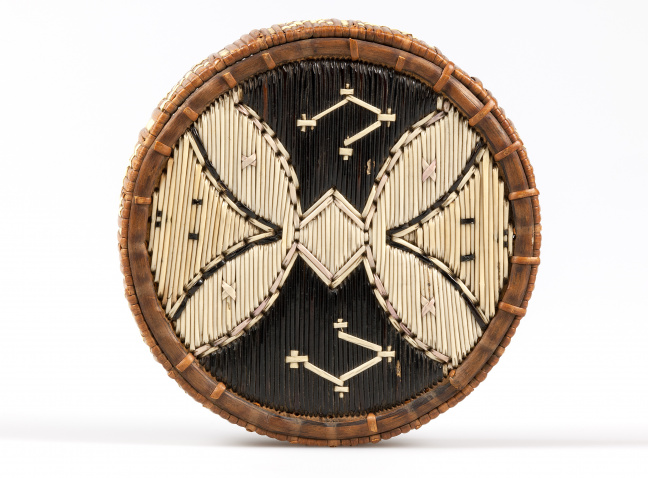
Mi'kmaw quill work basket, top.

Grade 5 - Discovering the First Peoples of Nova Scotia

This program was created in consultation with members of the Mi’kmaq community and designed specifically to meet outcomes in the grade five social studies curriculum. It provides a unique experience for students to learn about the history and culture of Nova Scotia’s Mi’kmaq using both traditional knowledge (via storytelling) and academic knowledge (via archaeology) The program uses storytelling, problem solving, group discussions, as well as interaction with artefacts and specimens to challenge and engage a variety of learning styles. 

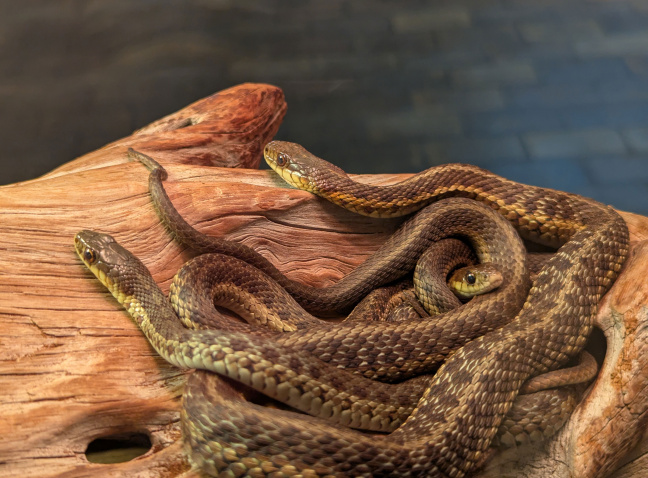
A cluster of Maritime Garter Snakes.

Grade 6 - Diversity of Life

This exciting grade 6 program provides students with a unique opportunity to explore the classification of living things through “hands-on, minds-on” experiences with live animals and real animal specimens. Created specifically to meet curriculum outcomes in the grade 6 science unit on the diversity of life, this program uses an object-based and skills-based approach to encourage students to develop their classification and observation skills. 

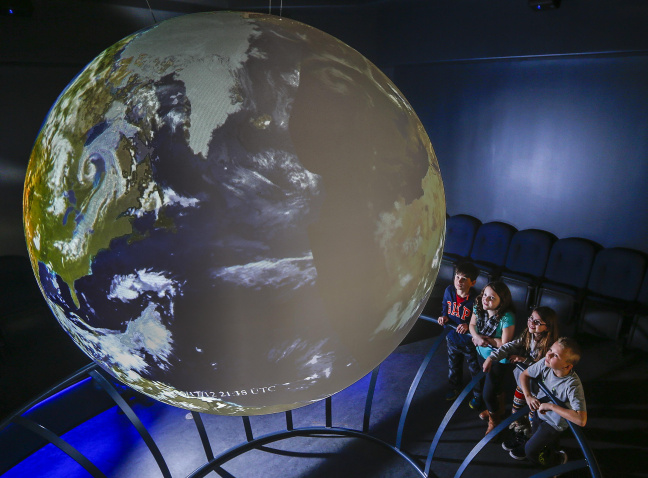
Four children looking at Earth projected on Science on a Sphere.

Grade 6 – Climate Change: Challenges and Solutions

This interactive grade 6 program immerses students in exploring climate change challenges and innovative solutions. It is designed to align with the grade 6 science unit on renewable and non-renewable energy. The program adopts an object-based, skills-driven approach that strengthens students’ observation and critical thinking skills.

Honey bee sitting in a gloved hand.

Grade 2/3 Virtual Program

What are the life stages of a honeybee? How does a seed travel? Have a Museum Interpreter join your classroom to explore the questions and more in our virtual Plant and Animal Growth program! Students are introduced to the life stages of different plants and animals and compare how the different ways living things develop. Following the program, students can apply what they learn in a fun worksheet.

Plant and Animal Growth

Curator looking at a petroglyph

Grade 5 Virtual Program

Have a Museum Interpreter join your classroom! Explore the role of storytelling in Mi’kmaw culture with this new, virtual school program. Students are introduced to Mi’kmaw vocabulary, the seven sacred teachings, and the importance of oral traditions. Following the program, students will apply what they learn to create their own stories focused on one of the seven sacred teachings.  

A’tukwaqan – Exploring Storytelling in Mi’kma’kik 

Museum of Natural History backyard.

June Nature Zone

June is field trip season at the museum! Nature Zone is a hands-on, activity focused exploration of the Museum of Natural History. At different stations throughout the exhibits, museum staff and volunteers will lead students through different activities related to different “ologies”. Students will try being a paleontologist, geologist, marine biologist, and more!

June Nature Zone

Green frog.

Naturalist Now! Virtual Program

This live, virtual program with a Nova Scotia Museum of Natural History Naturalist, explores what your class is curious about. We will share videos, photos, facts and take your questions on different natural history topics.

Naturalist Now! Virtual Program

Bikes parked outside of St Catherine's elementary school in Halifax.

Schoolyard Bioblitz

What lives in your schoolyard? You might be surprised! From the buzzing bee on a flower to the tiny beetle under a log, your school grounds are teeming with life. A Schoolyard Bioblitz is an exciting event where students become citizen scientists, exploring and identifying as many different species of plants, animals, insects, and fungi as possible within the schoolyard over a set period.

Schoolyard Bioblitz

A little boy in the woods holding a museum activity sheet.

Learning at Home

Bring the wonders of the natural world into your living room with our collection of digital resources. Whether you are a student, a lifelong learner, or a family looking for an afternoon activity, these tools allow you to investigate Nova Scotia's unique natural history in your own neighbourhood.

Explore learning at home